
Avinash Vagh
Learn how AI video creation for marketing helps teams produce ads, explainers, and social content faster without sacrificing quality or creative control.
Marketing teams are under constant pressure to produce more video. Social feeds demand daily content. Ad platforms reward video over static. And audiences scroll past anything that looks templated.
AI video creation platforms solve this by letting teams go from idea to finished video in minutes, not weeks. No crew, no editing suite, no six-figure production budget.
This guide covers how AI video creation works for marketing, what to look for in a platform, and how teams are using it to ship video content at a pace that was impossible two years ago.
An AI video creation platform generates video from text inputs. You write a script (or let AI generate one), pick a visual style, and the platform produces a complete video with visuals, voiceover, captions, and music.
The key difference from traditional editing software: you're directing, not editing. Instead of cutting clips on a timeline, you describe what each scene should show and the AI builds it.
Modern platforms like Frameloop give you scene-by-scene control. You choose the visual style, adjust individual scenes, swap music, and tweak the script. The AI handles the heavy production work while you make the creative decisions.
Three forces are driving the shift.
Volume demands have exploded. A single campaign now needs video cut for YouTube Shorts, TikTok, Instagram Reels, LinkedIn, and paid ads. Each platform has different specs, different audiences, different best practices. Producing all of that traditionally means either a massive budget or a backlog that stretches into next quarter.
Speed wins. Product launches, trending topics, seasonal campaigns. By the time a traditional production wraps, the moment has passed. AI video creation compresses the cycle from weeks to hours.
Cost math has changed. A single professionally produced marketing video can run $5,000 to $50,000+. AI video creation platforms cost a fraction of that, and the marginal cost of each additional video drops close to zero.
Here's the typical workflow for producing a marketing video with AI:
Most platforms let you start from a text prompt, a full script, or a product URL. Some, like Frameloop, include script generators tuned for marketing. These aren't generic text generators. They're built to write hooks that stop the scroll, structure retention-friendly pacing, and end with clear CTAs.
AI video platforms offer multiple visual styles. Frameloop supports 15+ styles, from photorealistic to anime, watercolor, illustration, and colored sketch. This matters for marketing because different campaigns call for different aesthetics. A luxury product launch looks different from a playful social ad.
The best platforms don't generate one monolithic video. They break content into scenes you can individually control. Adjust the prompt for a specific scene, swap a character, change the camera angle, or regenerate just the parts that need work.
This scene-level control is what separates marketing-grade tools from basic text-to-video generators. When your brand guidelines matter, you need granular control.
AI voiceover has reached a point where it's genuinely hard to tell from human narration. Platforms integrate text-to-speech in dozens of languages (Frameloop supports 32+), which means a single video can be adapted for global markets without re-recording.
Music libraries with royalty-free tracks across genres (lo-fi, cinematic, hip-hop, pop, ambient) let you set the right tone without licensing headaches.
The final step is getting content out the door. Look for platforms with direct publishing to YouTube, TikTok, Instagram, and LinkedIn. The fewer steps between "done" and "live," the more your team actually ships.
Not every AI video tool is built for marketing. Here's what separates a marketing-ready platform from a general-purpose generator.
This is the dealbreaker. If your characters, products, or visual identity shift between scenes, the video looks broken. The platform needs to maintain consistent elements across every frame. Frameloop handles this with persistent characters and product imagery that stay coherent throughout the video.
Generic AI writing produces generic scripts. Marketing video needs hooks in the first second, benefit-driven messaging, and clear calls to action. Look for script generation that understands retention patterns and conversion-focused structure.
Your brand isn't one-dimensional. Product demos, social content, brand stories, and paid ads all have different visual needs. A platform locked to one style limits your creative range.
If you sell in more than one market, you need videos in more than one language. Auto-translation for captions, titles, and on-screen text saves the cost of producing separate versions for each locale.
High-volume marketing teams need programmatic video generation. Whether you're creating personalized product videos from a catalog or automating weekly content, API access turns a creative tool into a scalable system.
Different platforms serve different purposes. Here's how the main categories break down for marketing teams.
These platforms generate videos of AI presenters speaking to camera. They're strong for internal training, HR communications, and corporate explainers. For marketing, they work best when you need a "talking head" format, like product walkthroughs or customer onboarding videos. The limitation: you're locked into a presenter-based format with minimal creative flexibility.
Built for filmmakers and creative professionals. These tools offer deep control over camera movement, keyframes, and cinematic effects. They're powerful but optimized for production workflows, not marketing speed. If you need to produce 20 ad variations by Friday, the learning curve and workflow complexity work against you.
Designed for the marketing use case from the ground up. Fast script-to-video workflows, scene-level control without production complexity, brand consistency features, and direct social publishing. This is where speed, volume, and brand quality intersect.
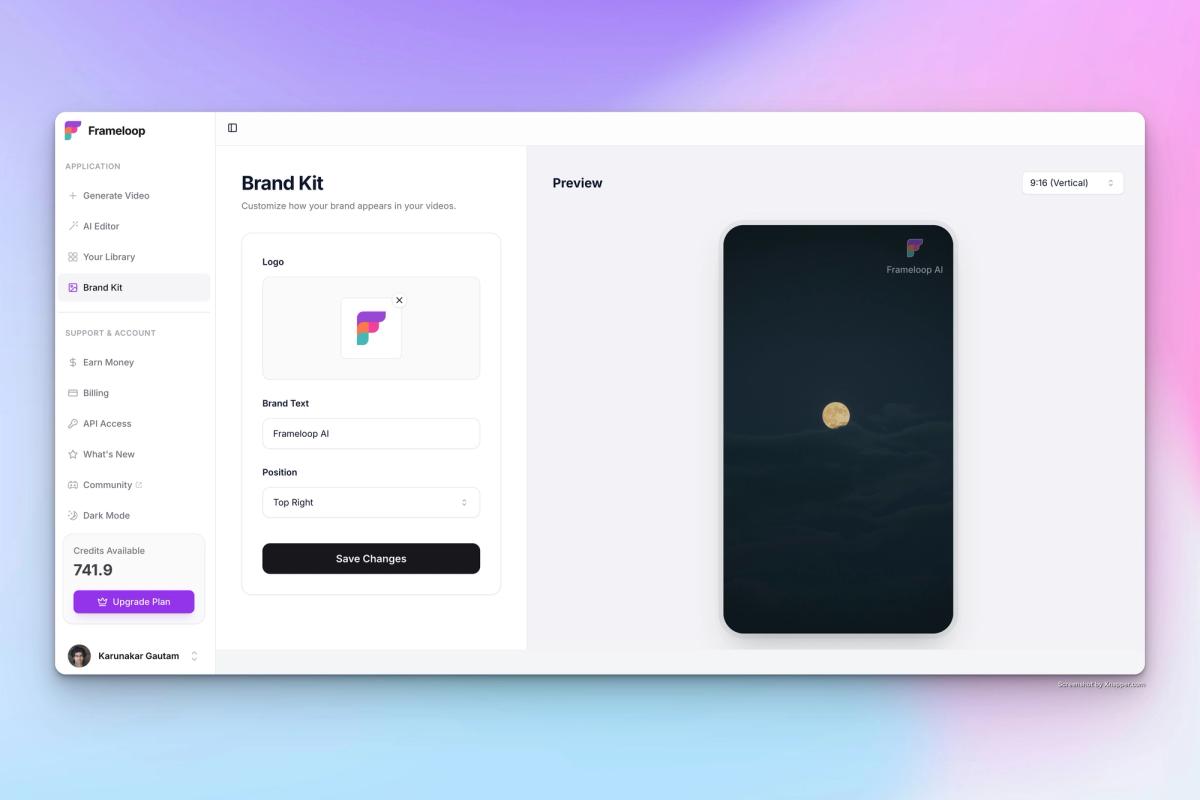
The right choice depends on your primary use case. If you're producing corporate training videos, an avatar platform works. If you're running a film production, a creative suite makes sense. If you're a marketing team that needs to ship branded video content fast, you want a marketing-first platform.
15 to 60-second ads for social platforms. AI handles the visual generation while you control the messaging, pacing, and CTA. Produce dozens of variations to test hooks, visuals, and offers.
Break down how your product works, step by step. AI video creation makes it practical to produce explainers for individual features rather than cramming everything into one video.
Build a consistent series, same character, same style, new topic each week. AI platforms with persistent character support make this scalable without a production team.
Take one campaign and produce versions in 10+ languages. AI handles translation, voiceover, and on-screen text adaptation. What used to require separate production runs now takes minutes per language.
When a trend hits, speed is everything. AI video creation lets you produce relevant content while the conversation is still happening, not three weeks later when nobody cares.
The fastest way to evaluate an AI video creation platform for marketing is to run your actual workflow through it. Take a real brief, a real script, a real campaign concept, and see how fast you get to a video you'd actually publish.
Frameloop lets you start for free. Write a script or let the AI generate one, pick a visual style, and have a finished video in minutes. No production experience required.
If you're producing video for marketing, the question isn't whether AI will be part of your workflow. It's how soon you start.

Got great video ideas but need help bringing them to life? Frameloop AI makes it easy to create professional faceless videos with AI-generated visuals, voiceovers, and editing.
Try Frameloop AI For Free