

Karunakar Gautam
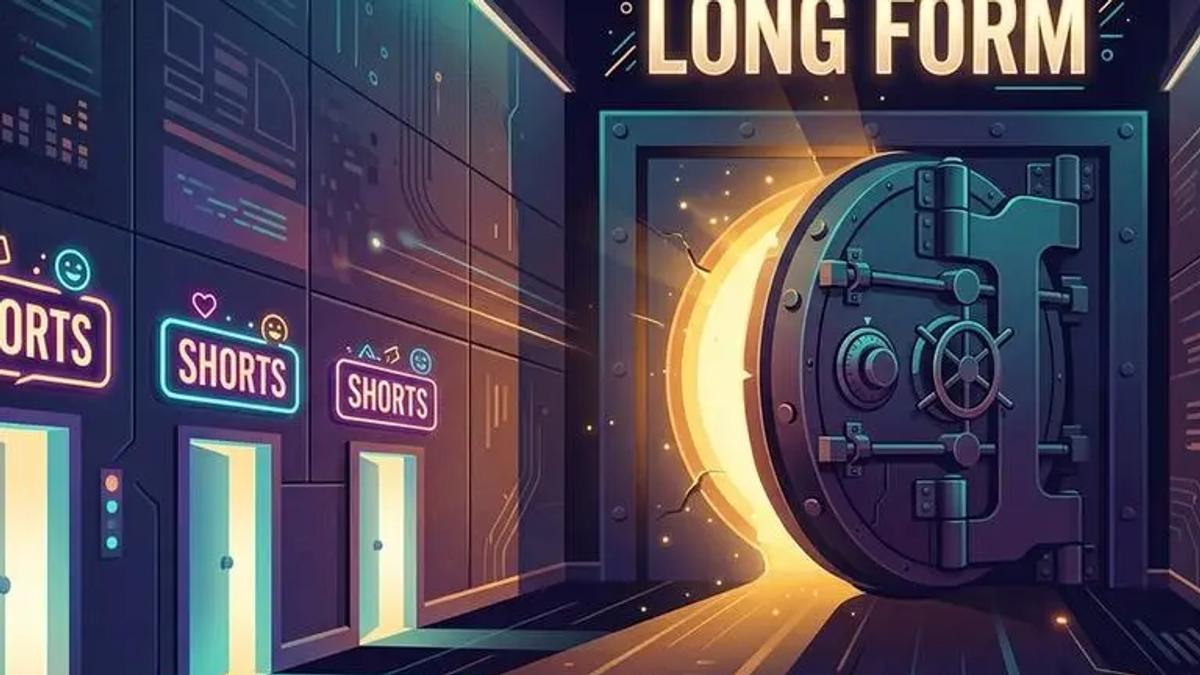
Struggling with zero views? Master the "Short-to-Long" funnel to beat the algorithm, bypass spam filters, and grow a faceless YouTube channel in 2026.
Honestly, spending three days putting together a video just to see it get exactly two views feels physically painful.
If you are spinning up a brand new YouTube channel right now, especially a faceless one, you might notice that standard advice is falling pretty flat. It is entirely possible that YouTube quietly updated its spam filters recently to deal with the flood of new creators. Or maybe the platform is just packed with too much new content every single hour. Either way, dropping a bunch of long videos on day one rarely works anymore. You are highly likely to just sit there with zero impressions.
Turns out, the actual mechanics of getting those first few thousand eyeballs require a slightly weird approach. Here is the thing. It takes a layered strategy to actually get traction on a fresh account today.
Before you even hit upload, make sure you setup your channel properly. Warm it up. Use it like a normal user for a week. Watch videos for 10-15 minutes daily, subscribe to some channels, leave thoughtful comments, and not just “nice video” on some videos in your niche.
I know this sounds incredibly basic. But that first week is crucial. It is highly likely the algorithm flags zero activity accounts as bot farms. You need to keep doing this regular viewing routine long term, but those first seven days are really about proving to the system that you are an actual human interacting with the platform naturally.
Once your account looks somewhat normal to the system, start with short form content first. Do not start with long videos on a new empty channel. You are highly likely to just get 1 or 2 views. Initially, we want to increase your discoverability and reach. Shorts are probably the best tool for this specific job right now because they are pushed to fresh audiences constantly.
For the first week, try posting one short every other day. That brings you to a total of 3 or 4 shorts in week one. Expect to get anywhere between 20 to 2000 views per short, and not much more than that. (To be fair, random viral spikes do happen, but it is much smarter to plan for the average).
Moving into the second week, you can step on the gas a little bit. Post one short every day. And we can now post one long form video this week. Aim for a video around 3 to 5 minutes long.
Honestly, this next part shocked me when I first figured it out. This long video will most likely get very few views on its own. We are talking maybe 1 to 10 views organically. This is exactly where you need to hustle a bit to get the views moving.
Here is a clear strategy to start the ball rolling. On the exact same topic as your long video, make a short of around 20 to 30 seconds. In your short, use the integrated YouTube tool to link the long video directly on the screen.
Now, the short acts as a discovery layer for your long video. Turns out, the stats line up way more than I expected when you use this funnel. If the short gets around 1000 to 5000 views, a small percentage of those people will tap the screen and come over to your long video.
These are very high intent viewers. They already liked your short and your content style, so they are much more likely to actually sit and spend 3 to 5 minutes on your long video. This gives crucial data to the algorithm. It signals that it is fine to push the long video out to more people who share similar viewing habits. When someone clicks from your short to your long video, the algorithm probably weighs that interaction heavily because it shows the viewer went out of their way to seek out more of your content.
For each long video, I would recommend creating 2 or 3 shorts as well. This is the exact same strategy that podcasters use, and it seems to work incredibly well for them. Later on, you can distribute these exact same shorts on Instagram, Facebook, and TikTok. Just drop a link to your main YouTube channel in the bio. High intent viewers from those other apps will likely bleed over to your main content.
So, how many long form videos do you actually need to make? Well, I highly recommend just making 2 or 3 long forms per week. That is a total of 12 videos per month. Then just focus on making them the absolute best videos you can. Spend your remaining time extracting shorts from them and reposting to other platforms.
This is way better than posting thirty long videos of 10 minutes each and hoping that views will somehow show up. It might happen, but it is much better to balance quantity versus quality. With AI tools today, quantity and quality are technically both possible. But you usually need to trade off one for the other. Pumping out quantity is very easy to do. But you will lose every time to someone who uses AI to make a very high quality video. Instead of making thirty low quality videos and wondering why you are getting only 10 views, just make 10 to 12 really good ones.
If you want to push things a bit further, take your content off the platform. Distribute your shorts and long videos on some subreddits that allow it. Share them specifically to get feedback. Find some Discord channels that exist for new YouTubers, and submit your work for review. Getting real humans to critique your work often results in them watching the whole thing, which quietly helps your watch time metrics.
Also, submit your video to subreddits where your target viewers actually hang out. If it is a history video, look for subreddits dedicated to history buffs. If it is a highly specific Roman history video, post it to country specific subreddits or Rome related communities.
Please, do not spam. Make maybe one post per day on each subreddit. Engage in the comments. Leave comments on other posts. In general, just be a regular helpful person who happens to share a video occasionally.
Honestly, the game of long form faceless videos is slightly harder. It takes more effort up front. And because of that, it naturally has less competition. In the shorts space, there is very high competition right now. So just use shorts for what they do best. Use them to build momentum for your long form videos.
Channels with high viewership on long videos are way more valuable than channels that only post shorts. By taking this slightly slower route, it is highly likely you will be building something of lasting value, and not just trying to ride a passing wave.

Got great video ideas but need help bringing them to life? Frameloop AI makes it easy to create professional faceless videos with AI-generated visuals, voiceovers, and editing.
Try Frameloop AI For Free